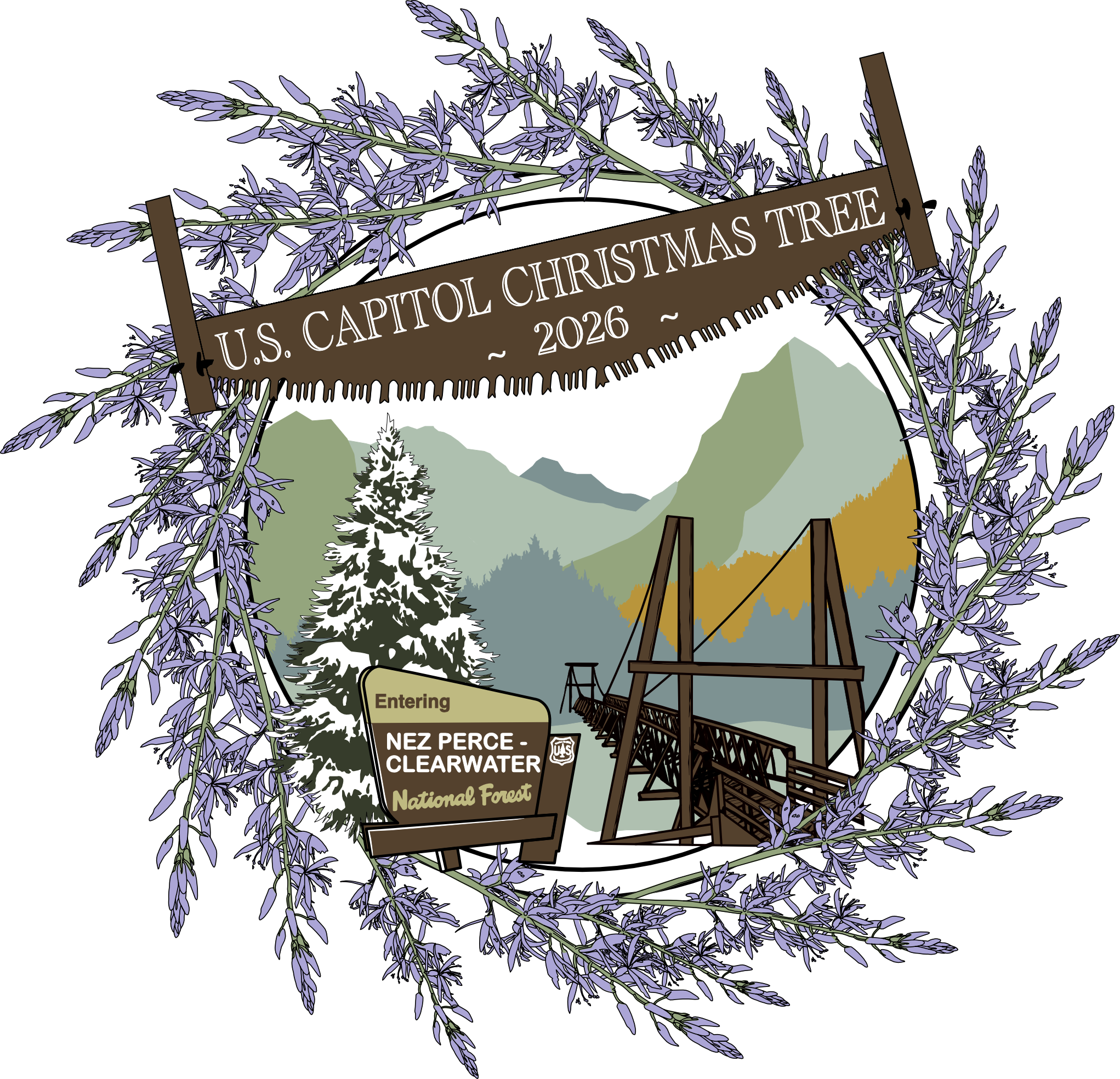
ABOUT Explore the forestry facts and traditions that bring the U.S. Capitol Christmas Tree to life.
The 2026 U.S. Capitol Christmas Tree
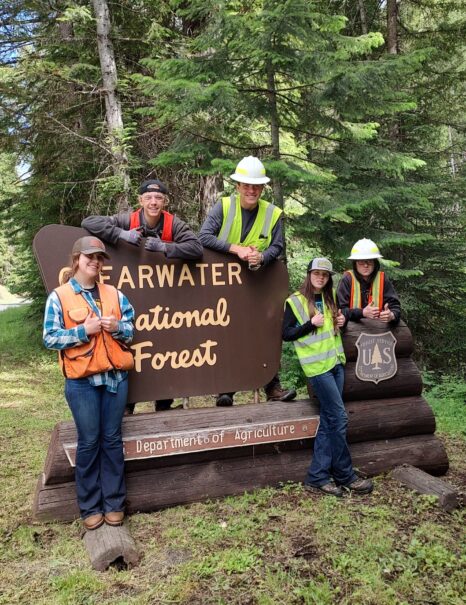
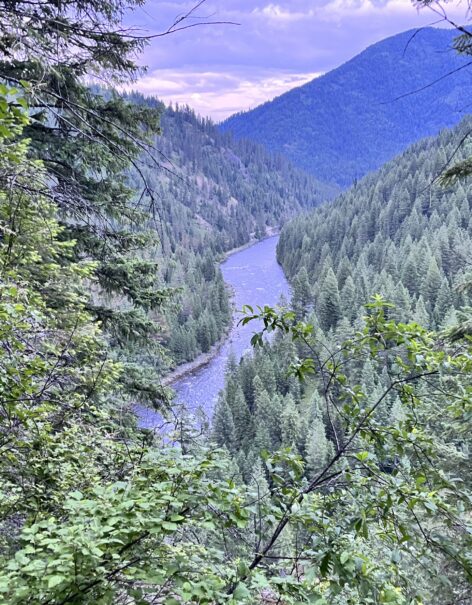
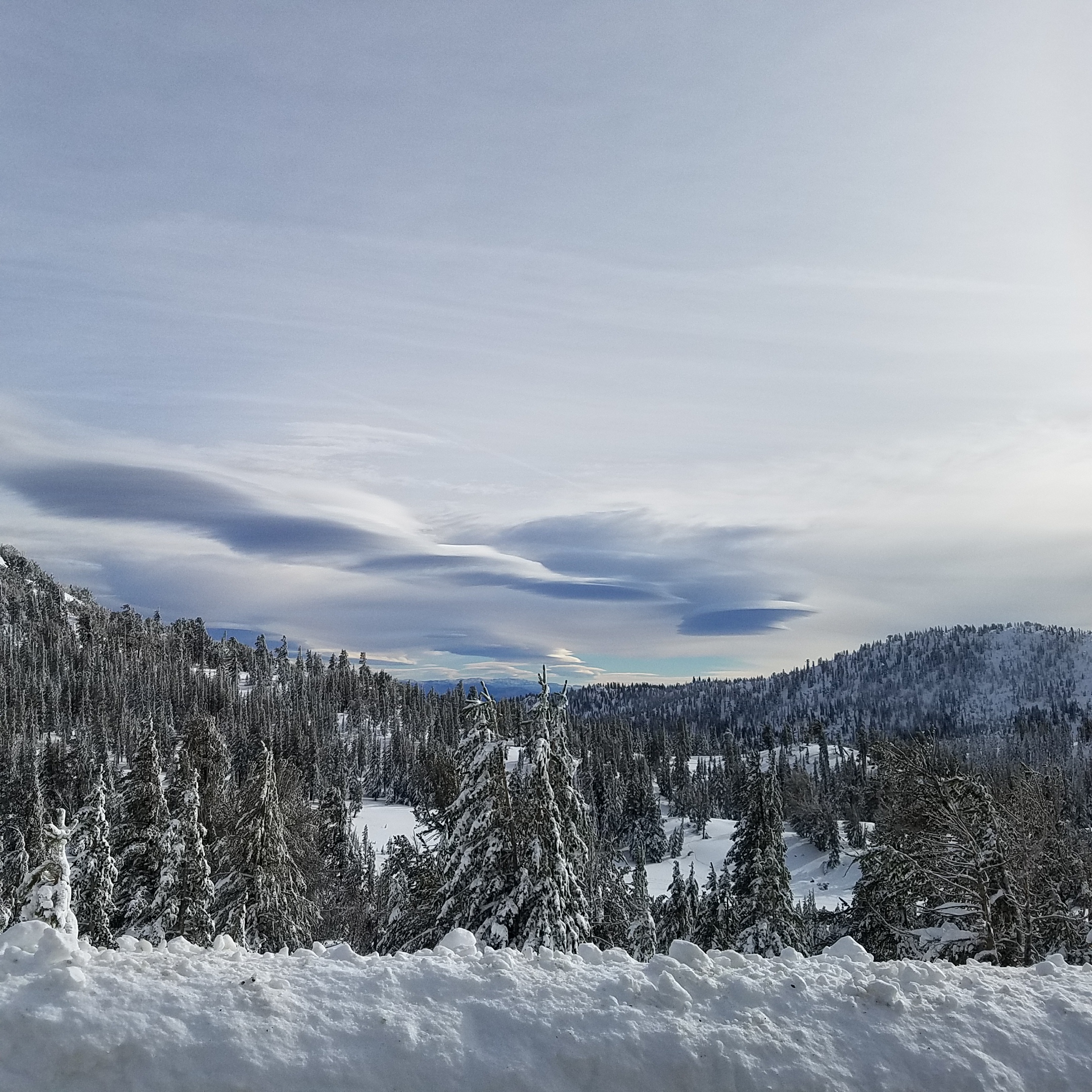
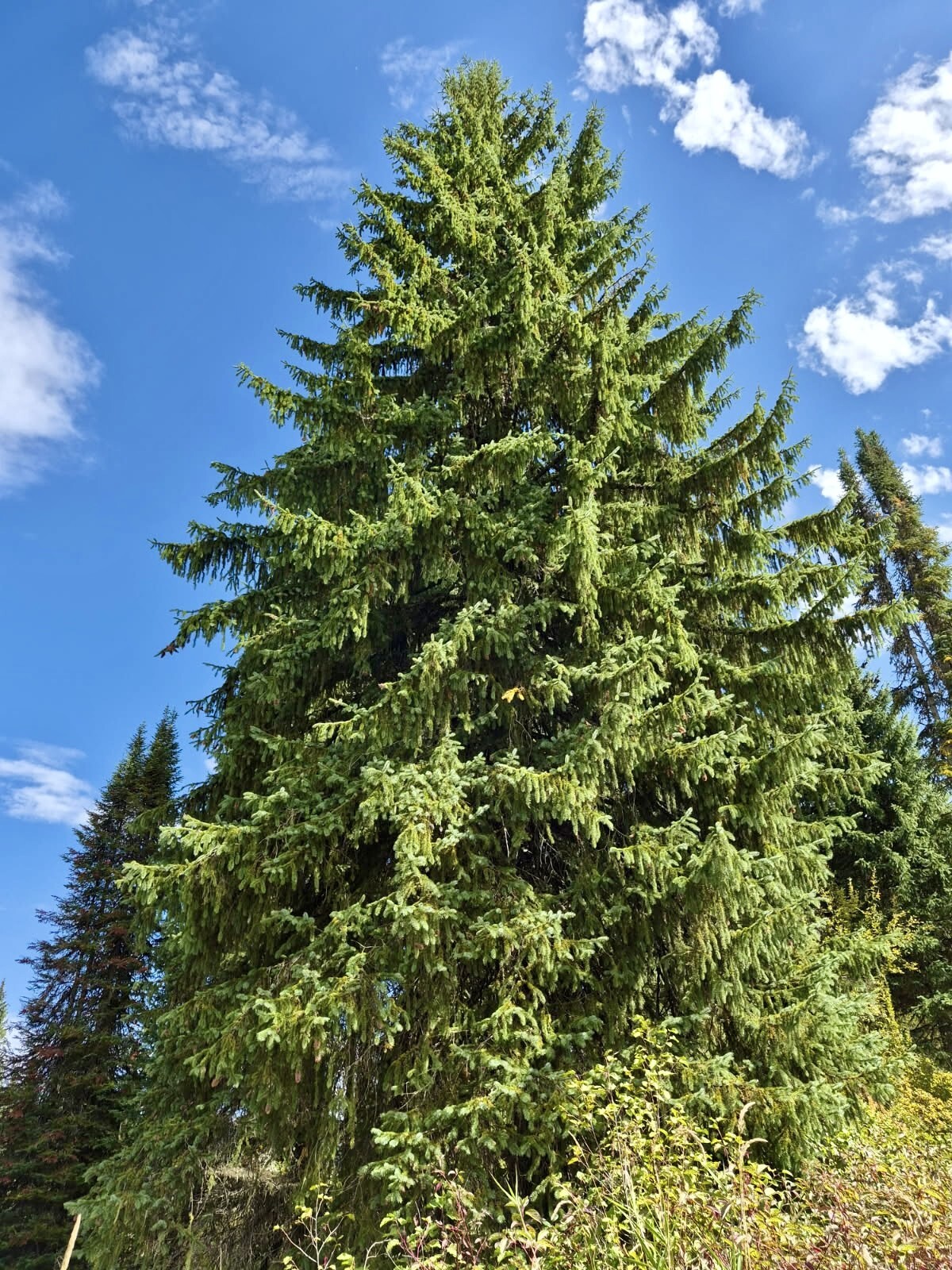
The Nez Perce-Clearwater National Forests are the kind of place you see when you picture Idaho. Its high mountains and deep canyons are framed by lush, tall forests and its rivers are filled with fly fishermen even in the dead of winter. Horseback riders and elite paddlers flock to its rugged trails and wild rivers as the weather warms. Its magnificent landscapes are only matched by its economic productivity and rich history.
These resources are key to its rich human history. The heart of the Nez Perce Tribe’s homeland are on the forests and include the areas where the Tribe provided crucial aid in the form of food, ecological knowledge, and timber that sustained Lewis and Clark when they were at their lowest point. Tribal guides ensured that Lewis and Clark reached the Pacific Ocean and helped them to safely cross the forests’ rugged Bitterroot Mountains safely. The Tribe’s bond with this land continues today, through a formal costewardship agreement, Nez Perce educational programming at forest visitor centers, and the unbroken connection between Nez Perce people and their homeland.
In 1860, the forests’ mineral riches stoked the Idaho Gold Rush, leading to the first permanent European settlement in the forests. Forest communities, such as Pierce and Elk City were originally gold rush boomtowns, while the ghostly remnants of former mining centers can be found deep in its wildernesses. Throughout the forests, place names honor the isolated trappers and prospectors who continued to seek riches in the backcountry well into the twentieth century.
The Nez Perce-Clearwater are also rich in Forest Service history. Nine years before he founded the Forest Service, Gifford Pinchot traveled across its wild spaces, where he gained insights that informed how the agency would operate. In the agency’s early years, Nez Perce-Clearwater packers developed the Decker Pack Saddle, widely considered the most useful tool for packing mule trains in rugged country. A multi-year project to develop and deploy airborne firefighters culminated in 1940, with the first successful smokejump on the forests’ Moose Creek district. That same area of the forests would also inspire the creation of the Wilderness Act and Wild and Scenic Rivers Act in 1964.
The forests exemplify Idaho at its finest. Today their actively managed landscapes support a bustling timber industry producing nearly a hundred million board feet of timber annually, as well as ongoing mining activities. Abundant wildlife provides ample opportunities for sportsmen to hunt and fish and for outfitter and guide businesses to operate. Forest stewardship ensures that there is a place for everyone and every type of activity on its more than 4 million acres. Together with our partners, the State of Idaho, and the Nez Perce Tribe, the Forests are proud to be the host of the 2026 US Capitol Christmas Tree as we demonstrate to the Country a true working forest. The Nez Perce-Clearwater National Forests are honored to share their story with America on its 250th birthday.
History of the U.S. Capitol Tree
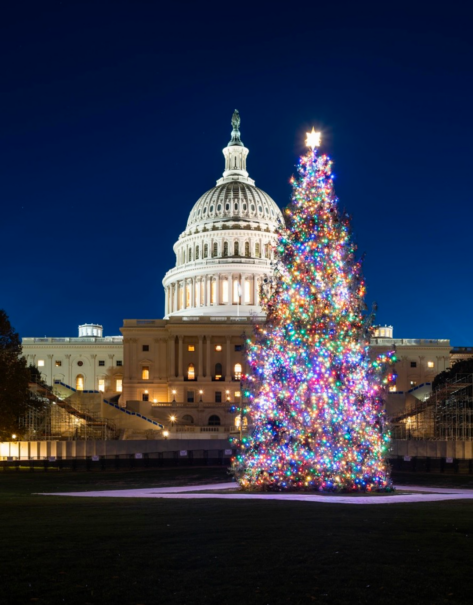
Every year, appearing on the West Lawn of the U.S. Capitol building, a tree is selected by a different national forest for the holiday season to represent the nation’s national forests and the communities within them, notably, why it is nicknamed “The People’s Tree”.
This tradition began in 1964 when the Speaker of the House, John W. McCormack, suggested to the Architect of the Capitol that a Christmas Tree should be placed on U.S. Capitol Grounds. A 24-foot Douglas Fir was then purchased from Buddies Nurseries of Birdsboro, Pennsylvania, and planted on the West Lawn following the holiday season. Each year, the tree was decorated, and a tree-lighting ceremony was held.
The tradition remained until 1967, when the tree succumbed to severe root and wind damage. Following this, two more attempts to plant trees on the West lawn were made, but unfortunately, they remained unsuccessful. This then prompted the Architect of the Capitol to turn to the Forest Service, an agency of the US Department of Agriculture (USDA), to provide a Christmas Tree.
Since 1970, the UDSA Forest Service and the Architect’s office have selected the Christmas Tree from various national forests in the United States.
The People’s Tree
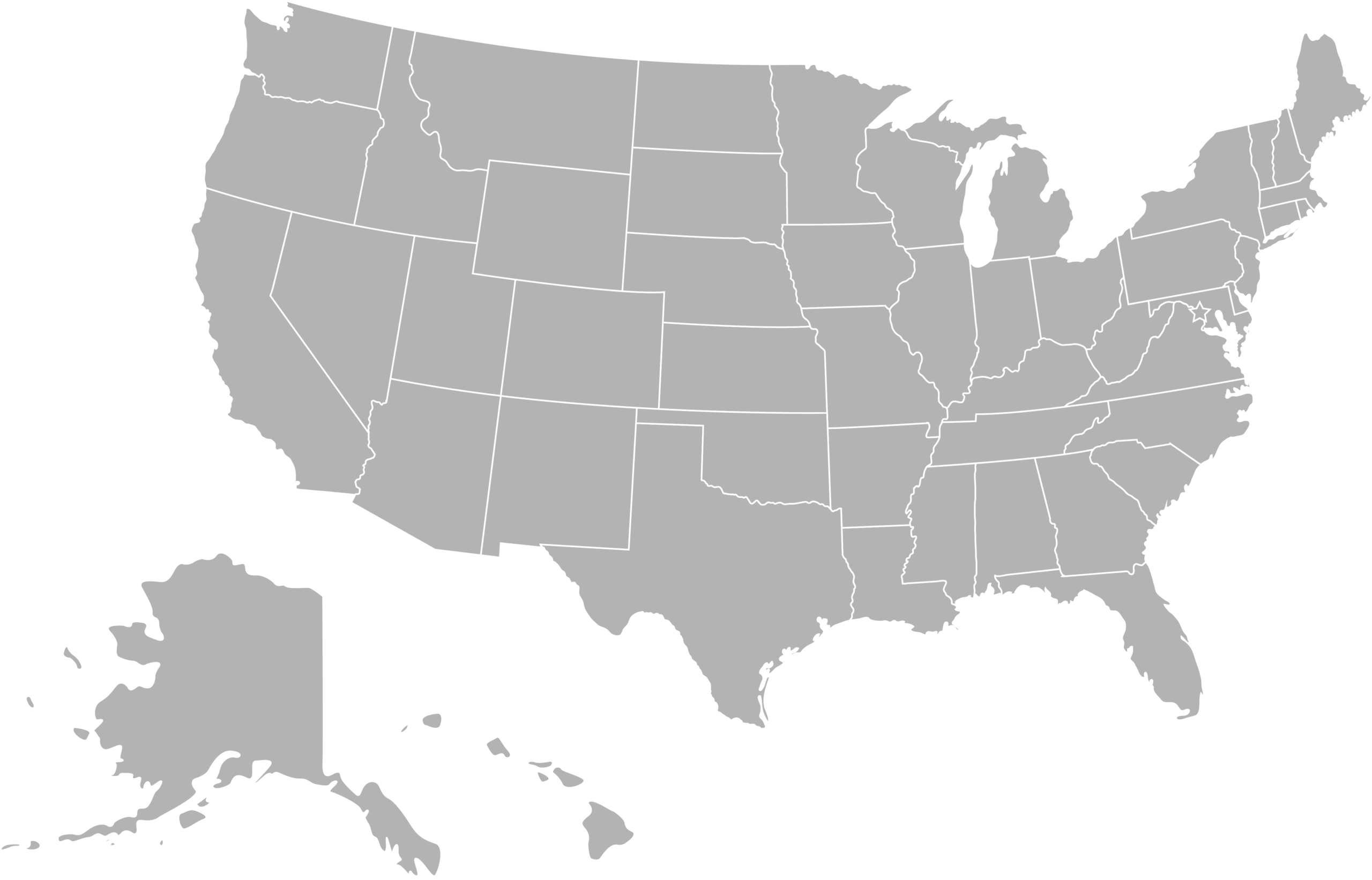
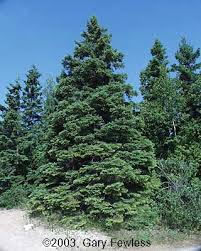
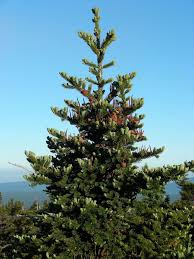
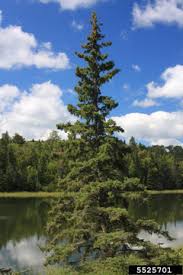
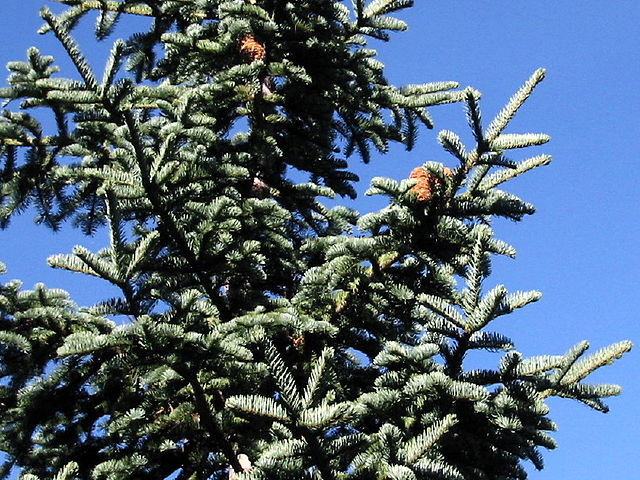
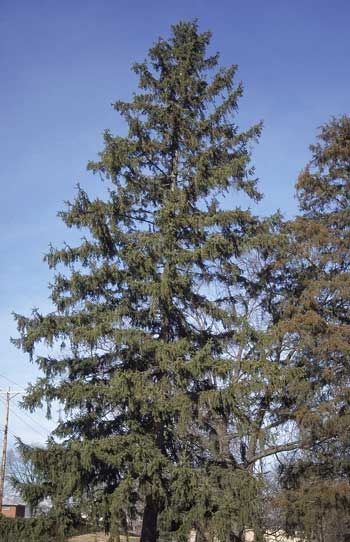
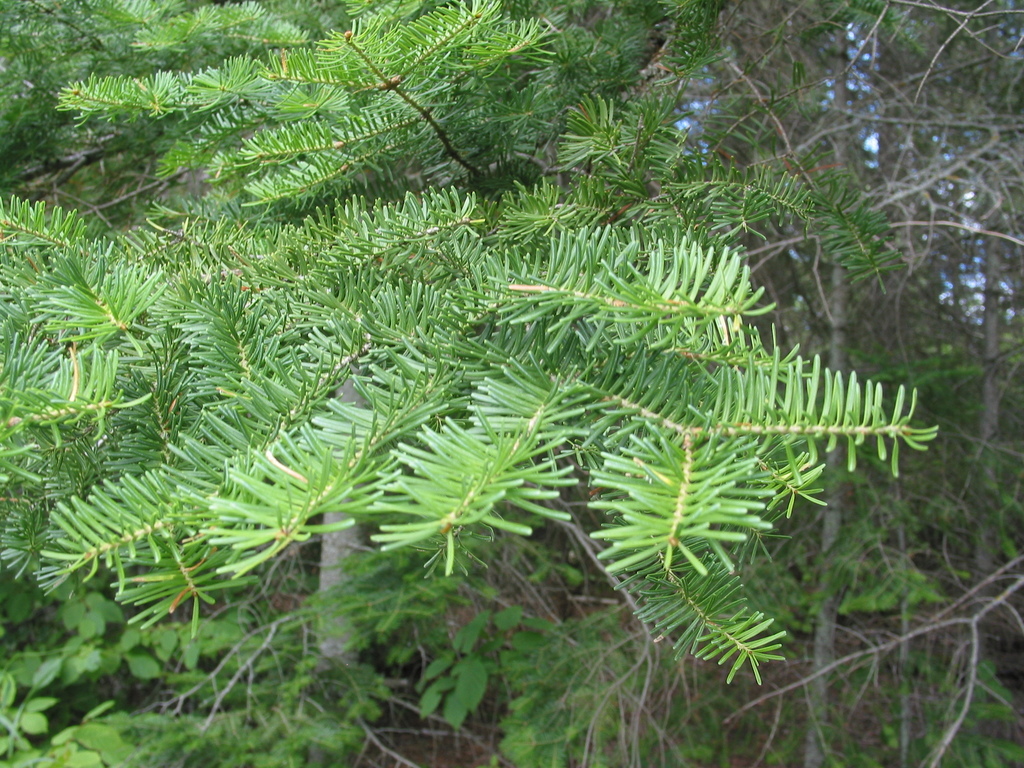
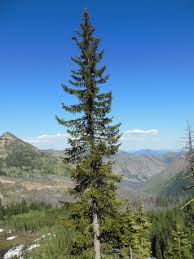
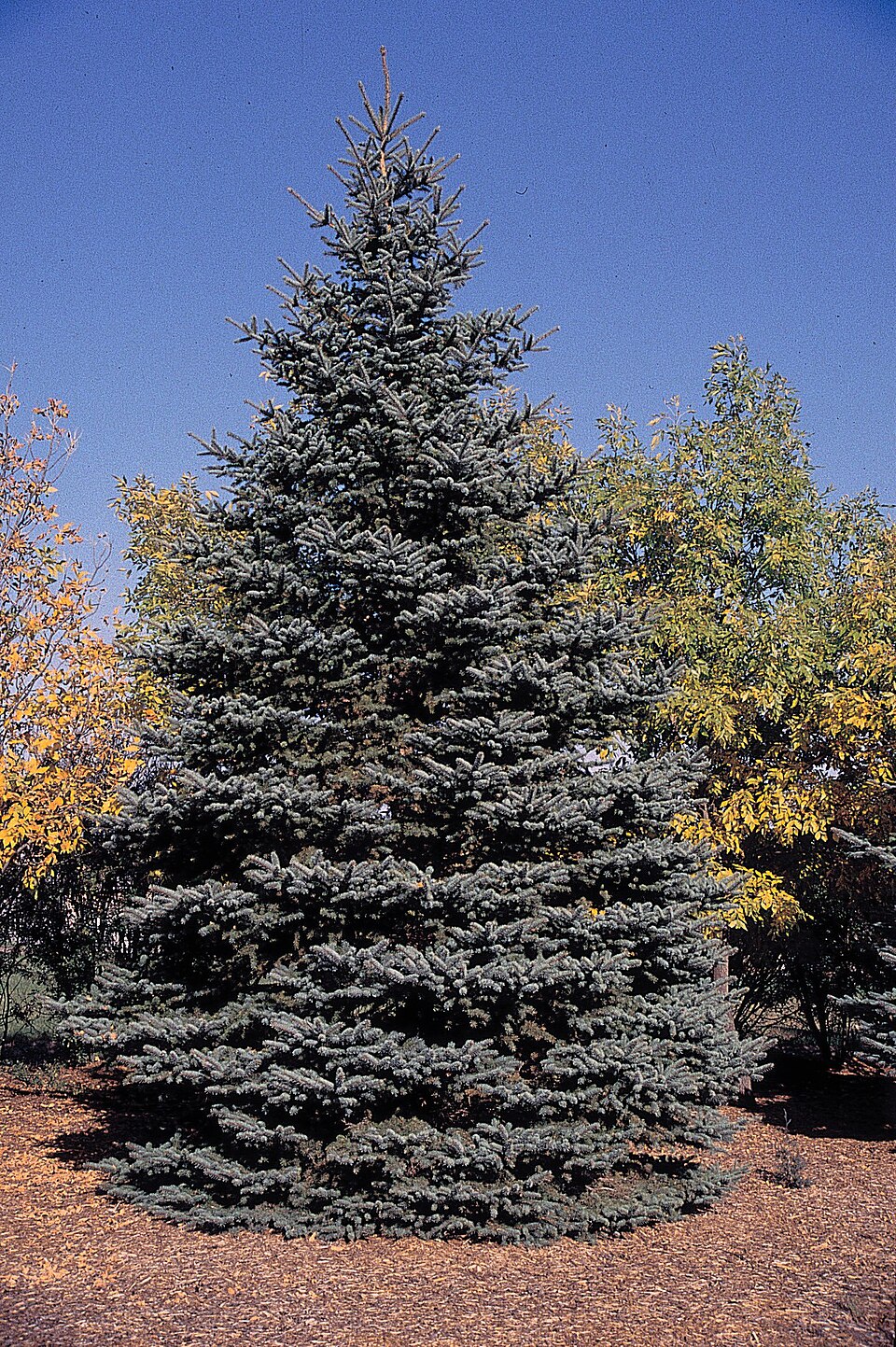
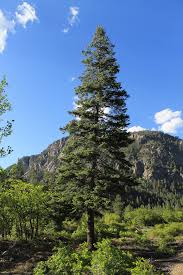
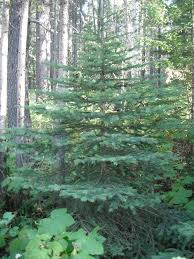
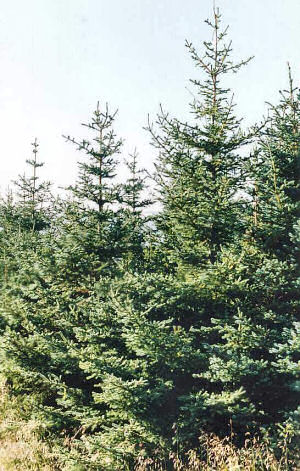
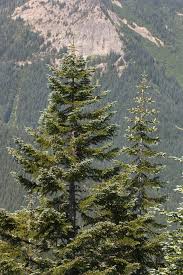
The U.S. Capitol Tree is selected from one of America’s remarkable forests every year and represents not only the beauty and majesty of our country, but also teaches us more about the spirit of each community from which it comes. Over the past decades, trees have come from nearly every corner of the US. Rollover the map below to learn more about the trees that have stood proudly on the West Lawn.











BROUGHT TO YOU BY THE SOCIETY OF AMERICAN FORESTERS
SAF represents forestry professionals and advances sustainable management of forest resources through science, education, and technology. Learn more at eforester.org.